Issue 36 Photo Journal of a Flow-MER Field Assistant

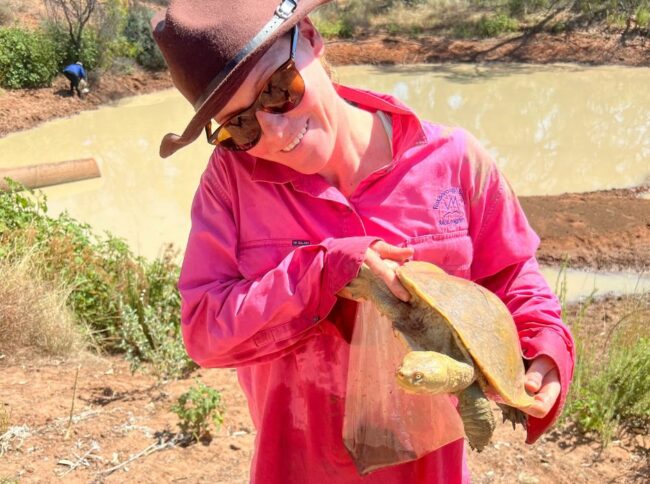
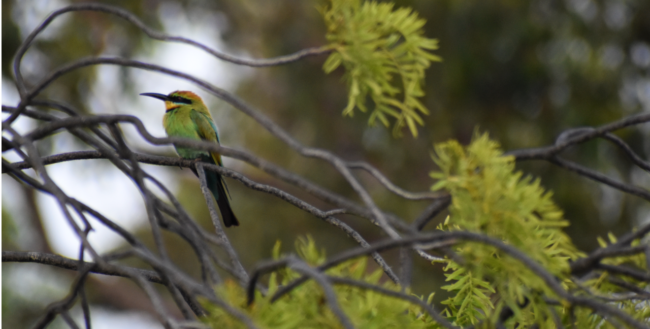
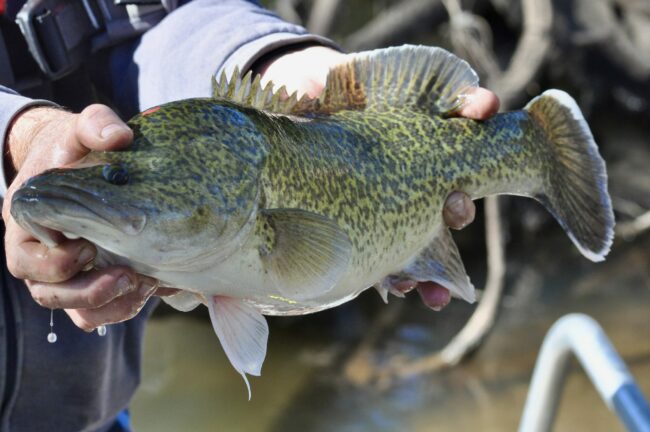
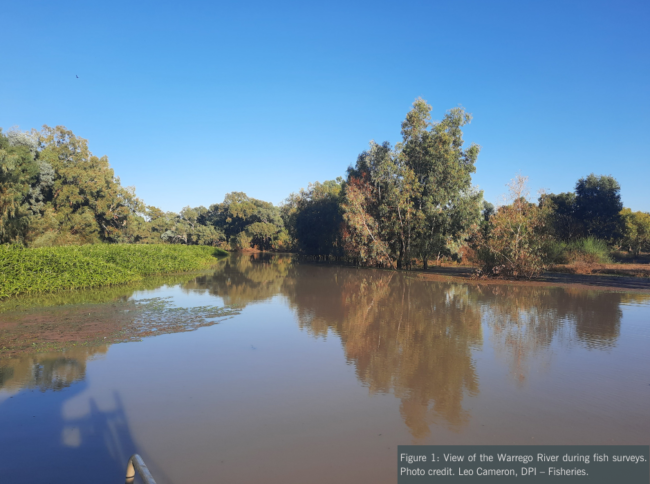
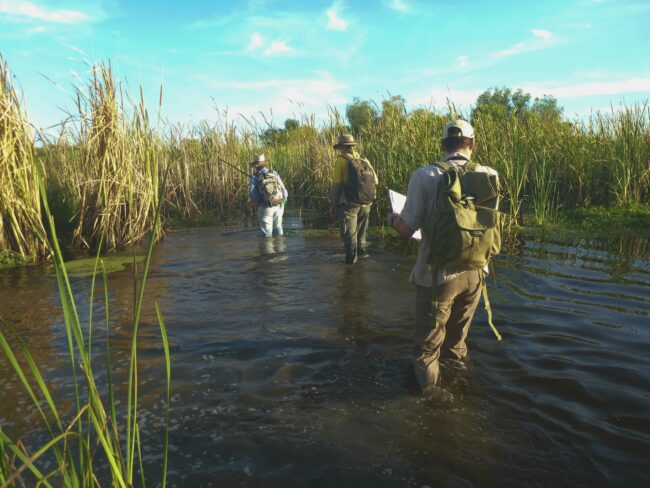
As part of the Flow-MER program, scientists investigate what impact Commonwealth environmental water flows are having on fish, birds, vegetation and river connectivity in the Murray-Darling Basin. Felix Noble works for the University of New England’s Aquatic Ecology Restoration and Research Group as a field technician. Felix Noble composed a photo essay compiled from multiple trips Felix has made with Flow-MER scientists to the Gwydir Wetlands and Toorale National Park.
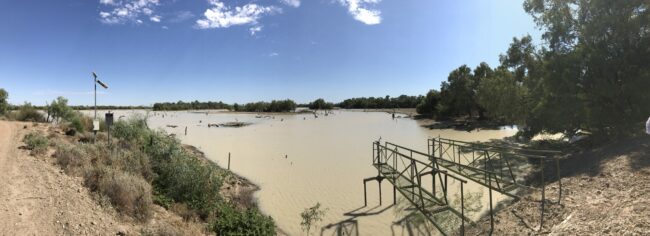
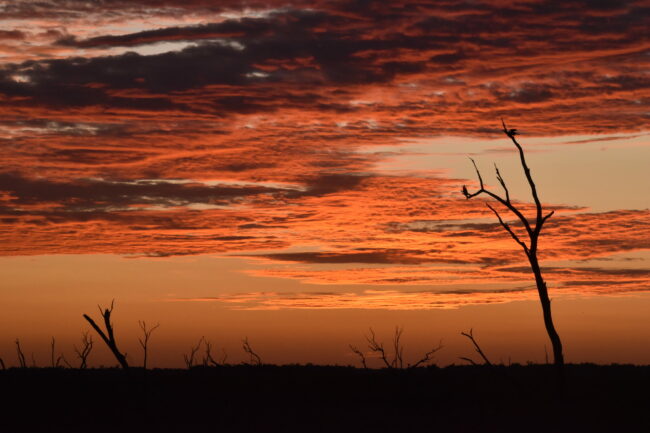
Gwydir Valley April 2023 Update

Following another spring of high water flows and water across floodplains, colonial-nesting waterbird breeding occurred for the second time in two years, and only the second time in 10 years. Water for the environment was released to create these large flows and trigger breeding. Since the beginning of 2023 flows have been maintained at steady low flows to minimise the risks to the colonies breeding successes.

Lower Balonne Flow Update – April 2023

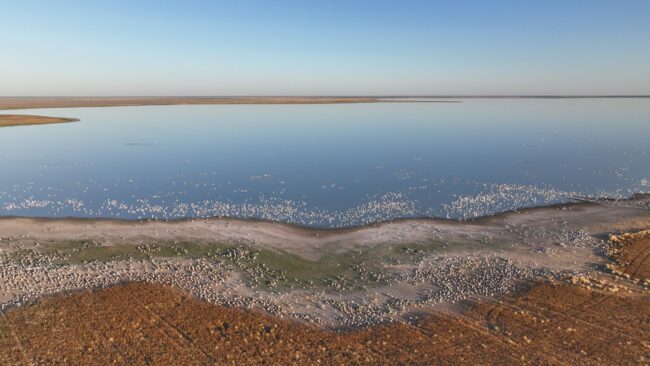
The northern Basin has been rapidly drying. The Commonwealth Environmental Water Holder (CEWH) arranged for large volumes of water to be released during February, this water has provided refreshing flows in the lower Balonne. One benefit of this flow has been successfully ensuring that the wetlands areas have remained wet for waterbird breeding. Among the waterbirds breeding, has been large colonies of pelicans. 
Photo: Pelican colony at Narran Lake. Shot by Harro on behalf of CES, UNSW.

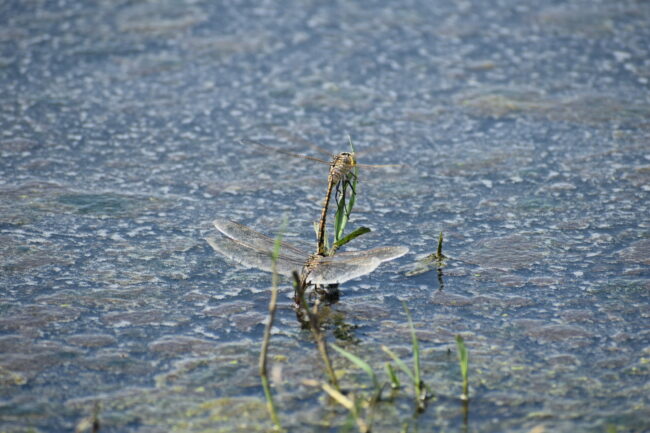
Issue 34 The Lifecycle of Marranii-maa (Dragonflies)

Did you know that there are over 300 species of dragonfly in Australia? These species are divided into eight families, two of which (Hemicorduliidae and Aeshnidae) occur within the Gwydir Wetlands State Conservation Area. We study these as part of our Food webs indicator because they can tell us a lot about the health of our waterways. In Issue 34 we explain the importance of invertebrates and the dragonflies lifecycle.

Lower Balonne Flow Event Update: March 2023

The environmental release from Eastern Australia Agriculture’s on-farm storages has reached Narran Lakes and is maintaining important foraging habitat for waterbirds. Inflows to the lakes will cease later this week. You can read more about the environmental release in the attached update.